Tuwaiq Symposium
Event Lead Architect for a 5,000 sqm sculpture symposium, designing temporary infrastructure, artist workspaces, and immersive exhibition grounds for thirty international sculptors.
The venue was conceived as a temporary landmark for sculptures’ lovers.
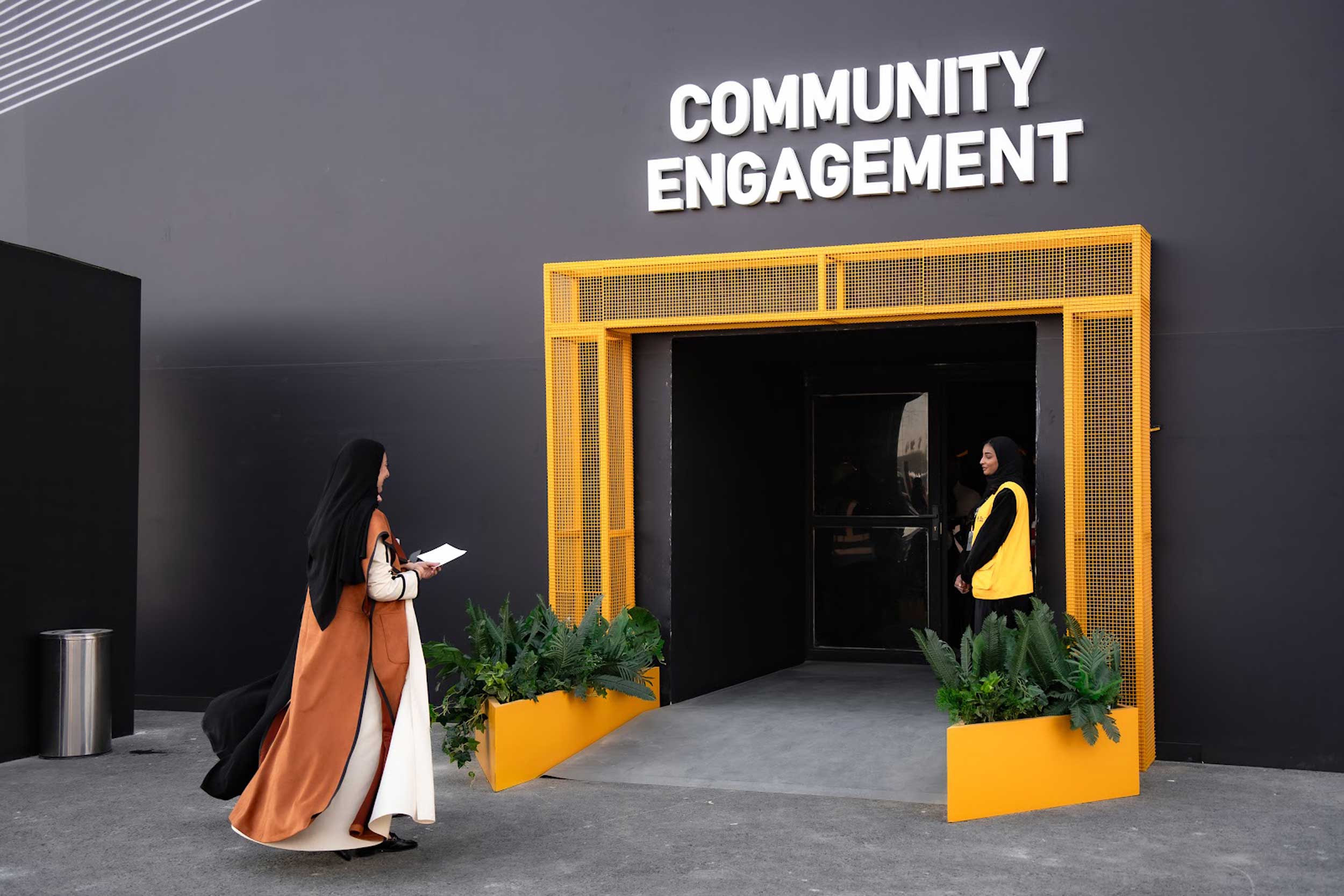
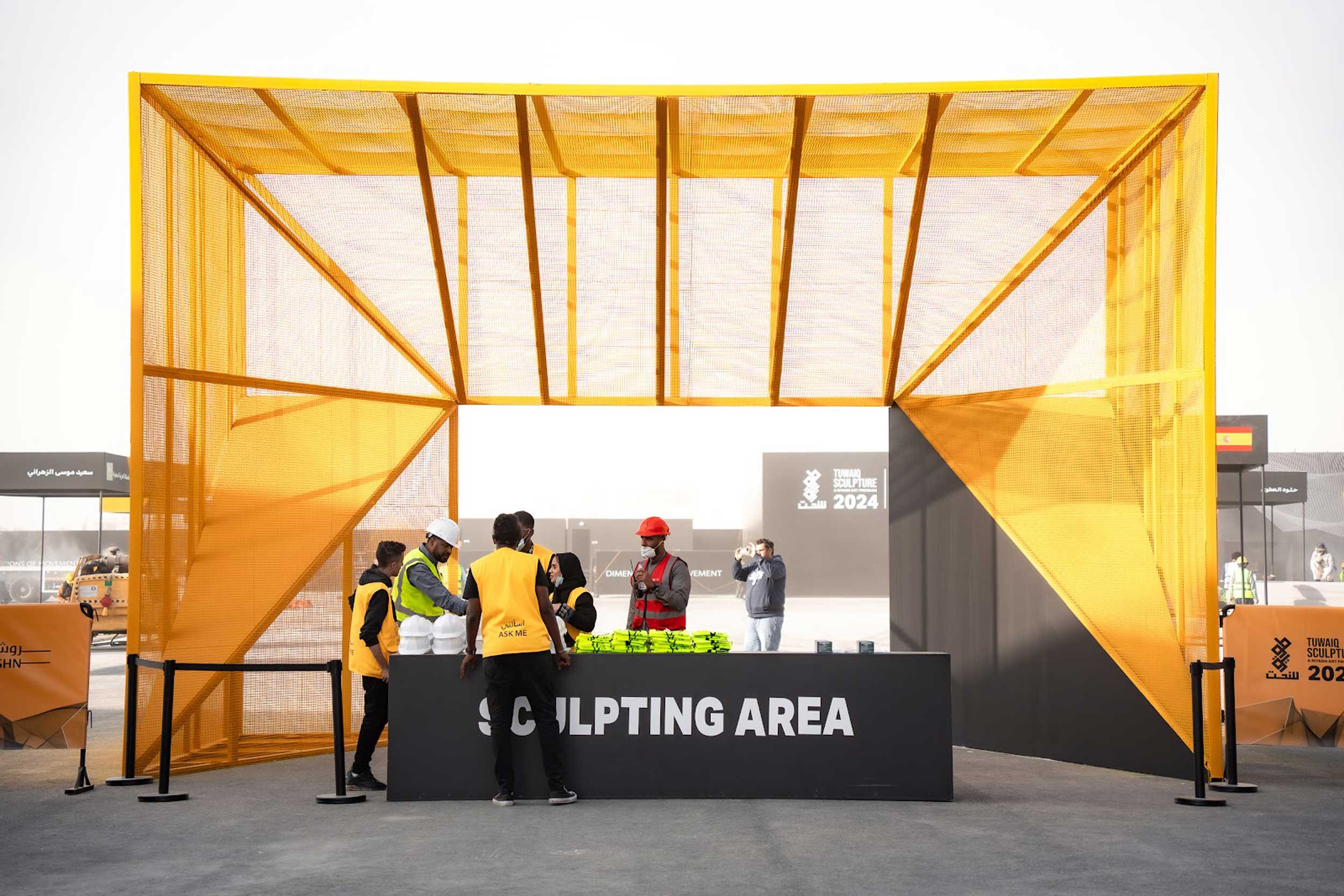
The 5,000 square meter site was designed to accommodate three main tents, each hosting public programs, gallery spaces,
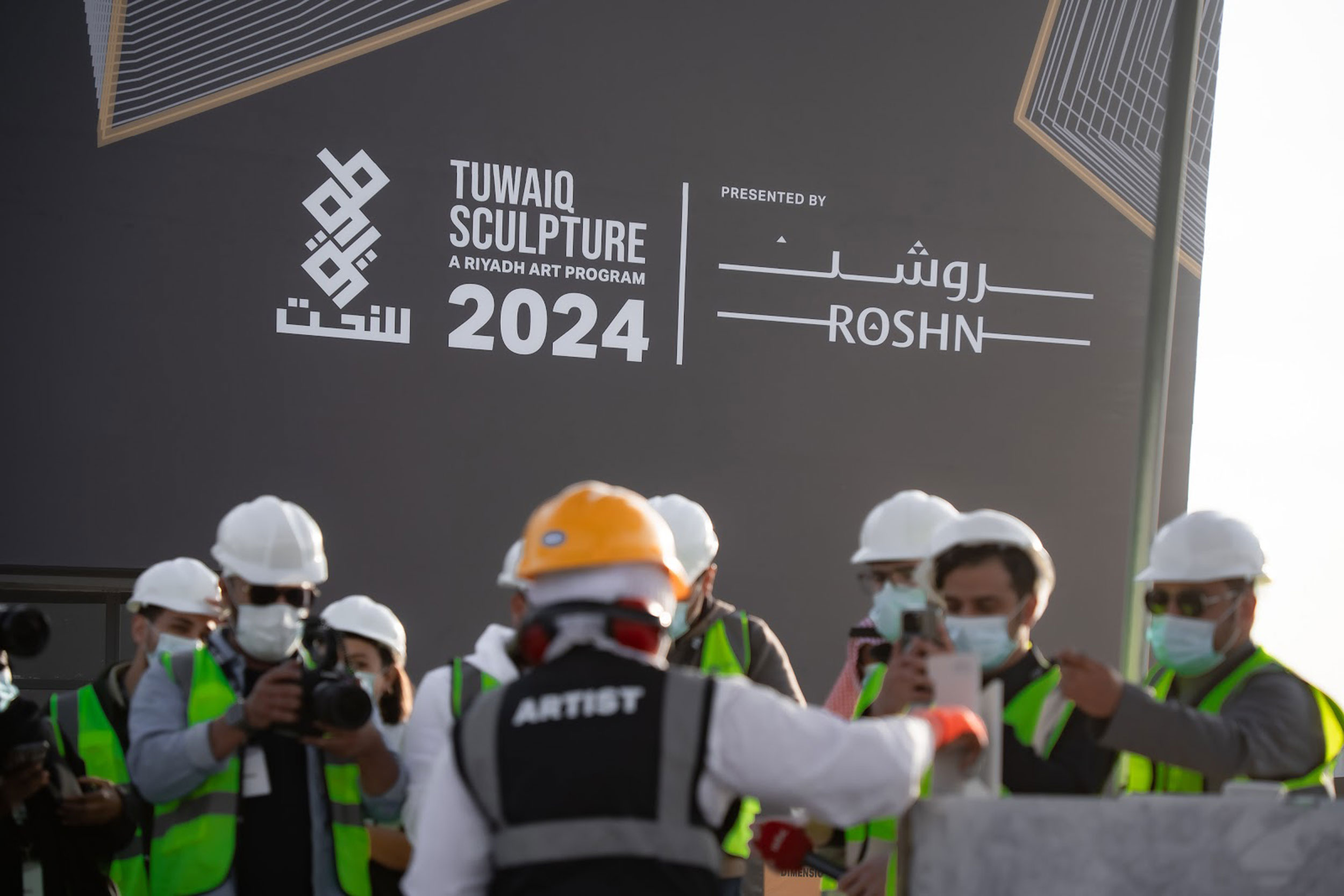
community hubs, and artists’ lounges. Following RCRC guidelines, the layout provided infrastructure and circulation for thirty international sculptors during thirty days of work, culminating in their exhibition. Additional outdoor areas extended the experience, encouraging encounters between artists and visitors.
Adaptability of temporary architecture to host complex programs.
The final exhibitions featured the thirty sculptures in situ, distributed across carefully selected outdoor sites at Roshn Front and public plazas. The spatial choreography allowed each work to reveal its materiality—stone, granite, basalt—and its relationship with
light, shadow, and landscape.
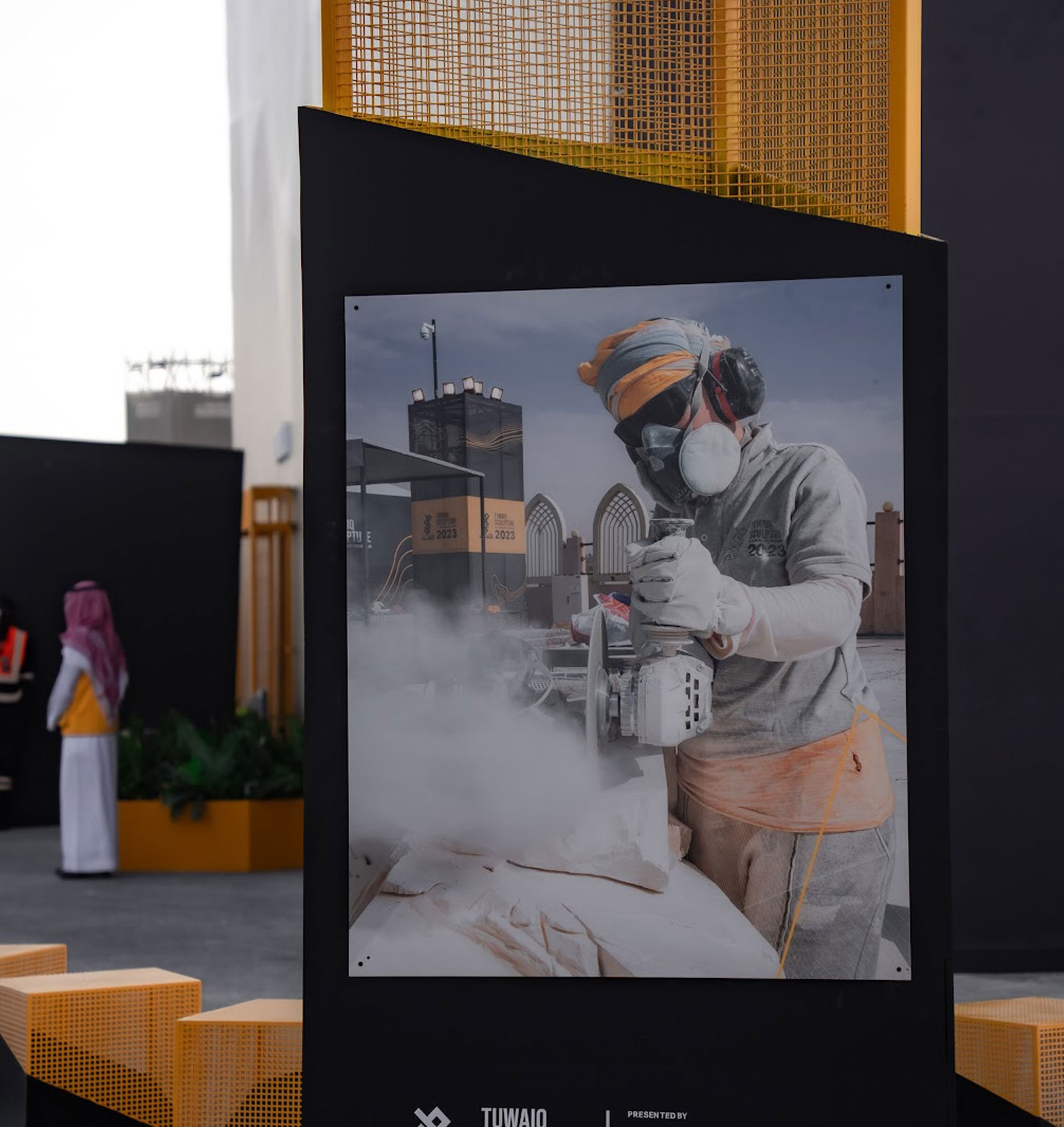
Moments of rest and reflection were embedded: seating spaces, shaded walkways, and educational signage encouraged deeper engagement. Throughout, the narrative from sculpting process to finished form was visible, enriching visitor understanding of artistic labor, choice, and transformation.
Participation spanned twenty-three countries; Saudi artists played leading roles, exploring both tradition and innovation.
The 2025 edition significantly built upon the success of previous years, broadening both international and local public.
The community program extended into evenings, activating the site with lighting installations, soundscapes, and communal dining
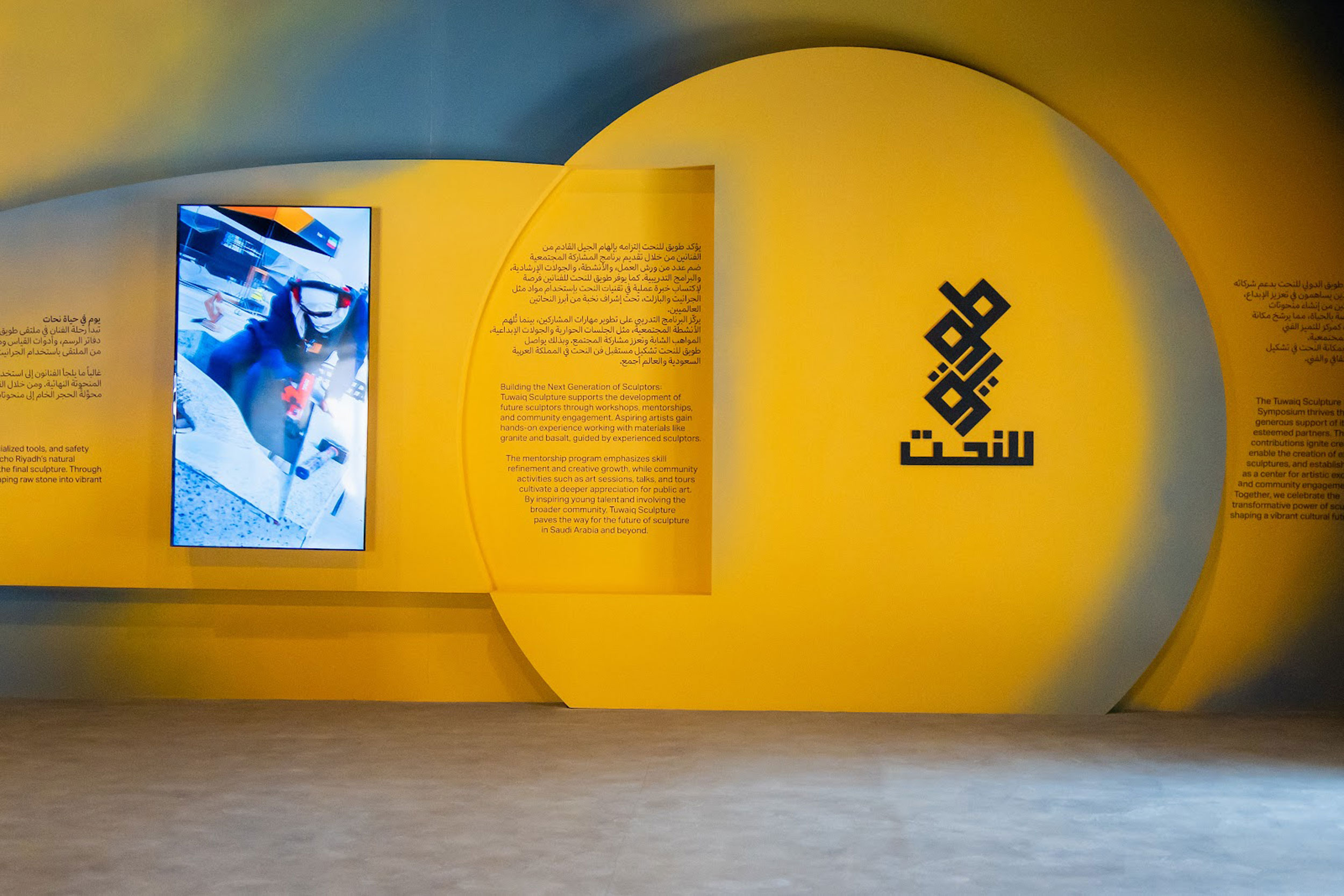
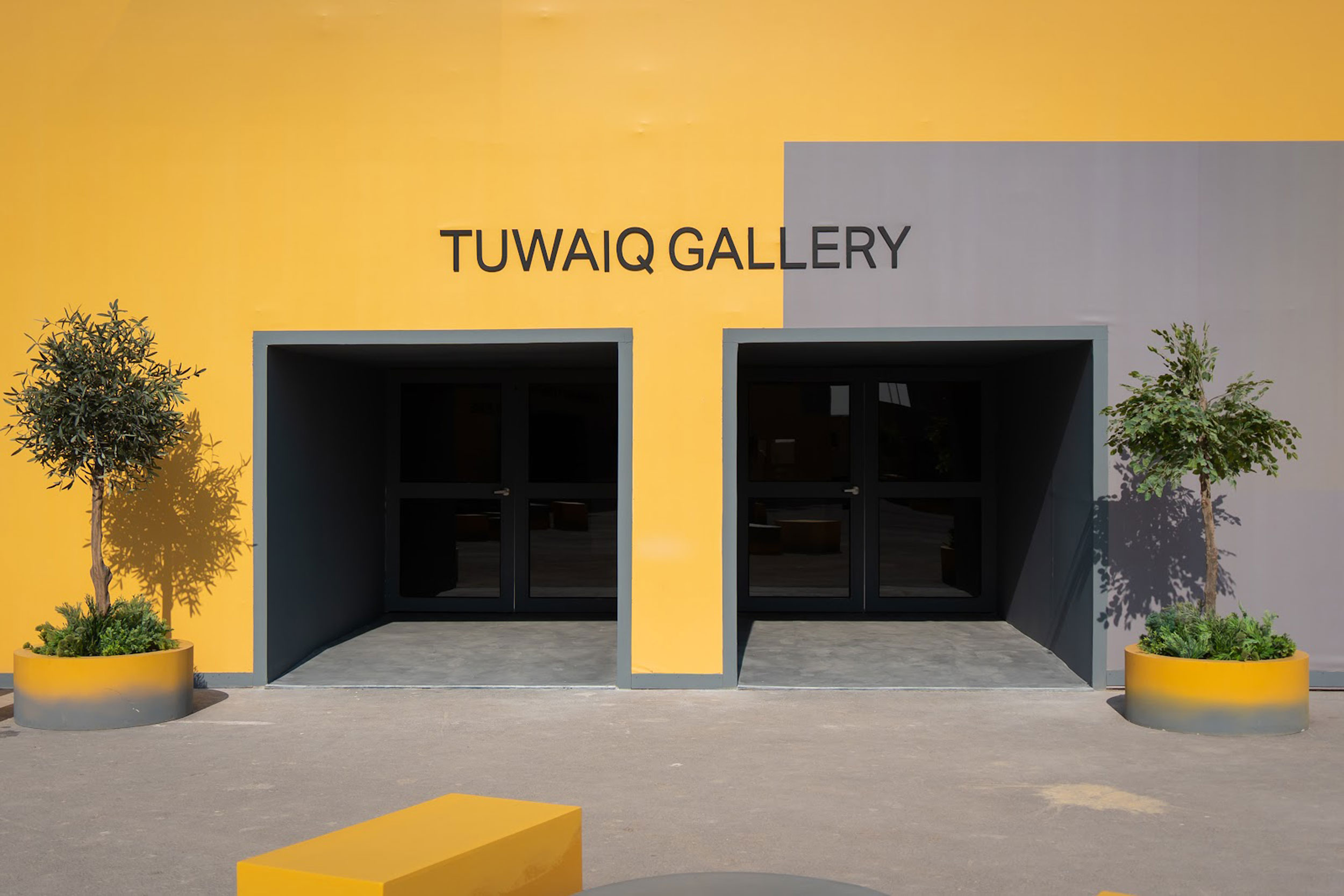
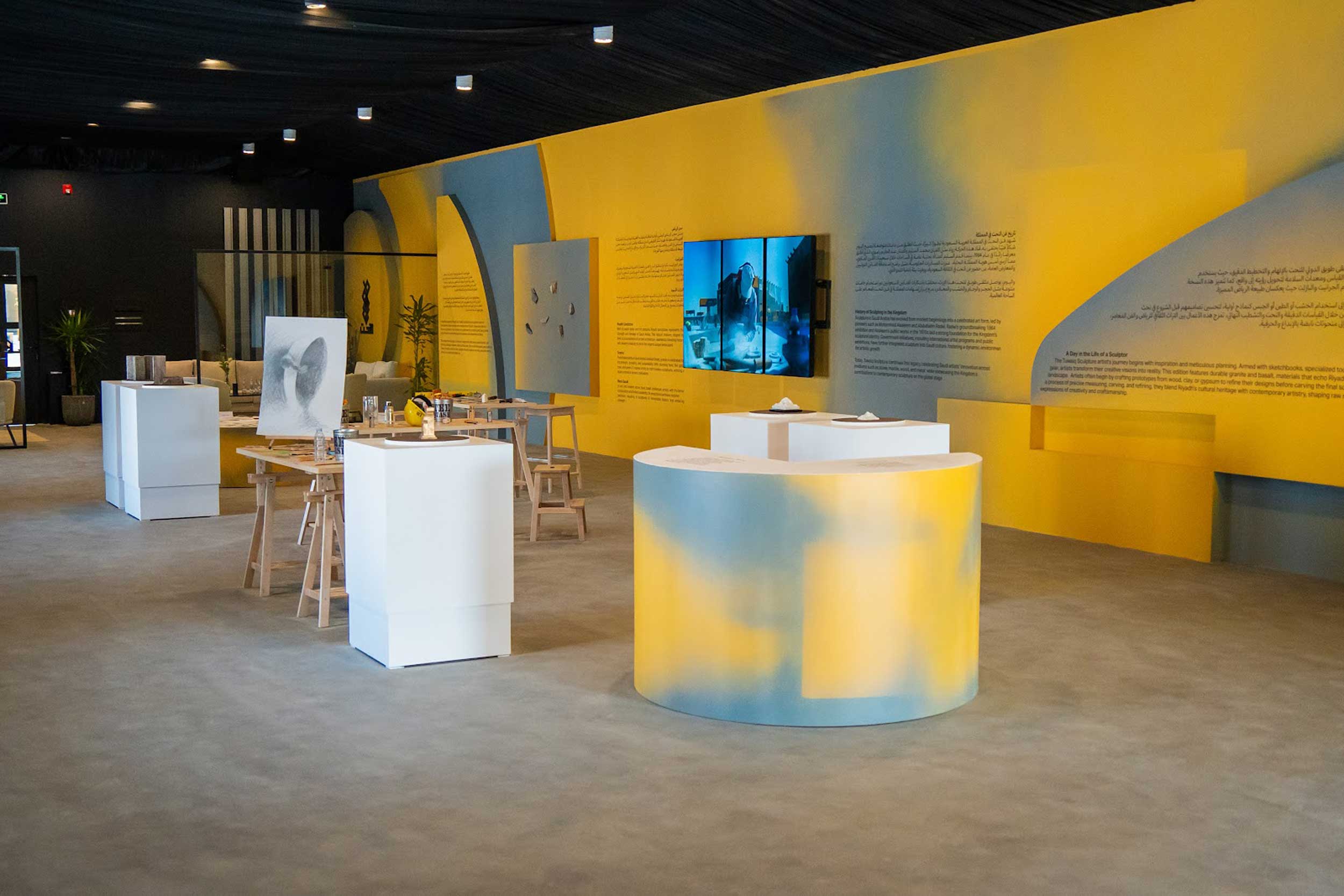
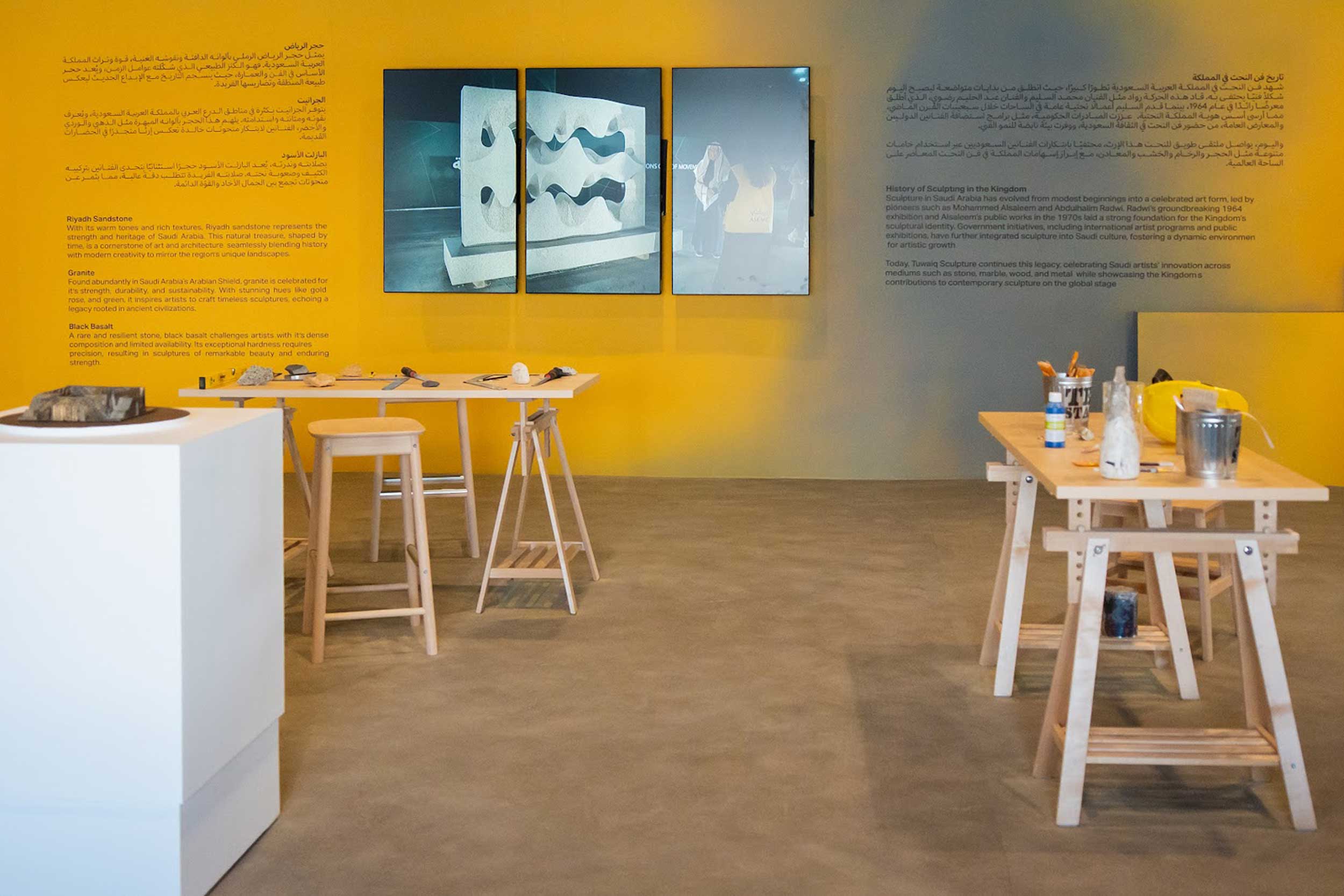
A new feature was the creation of a dedicated Tuwaiq Gallery, designed as a space of immersion and interpretation within the symposium grounds.
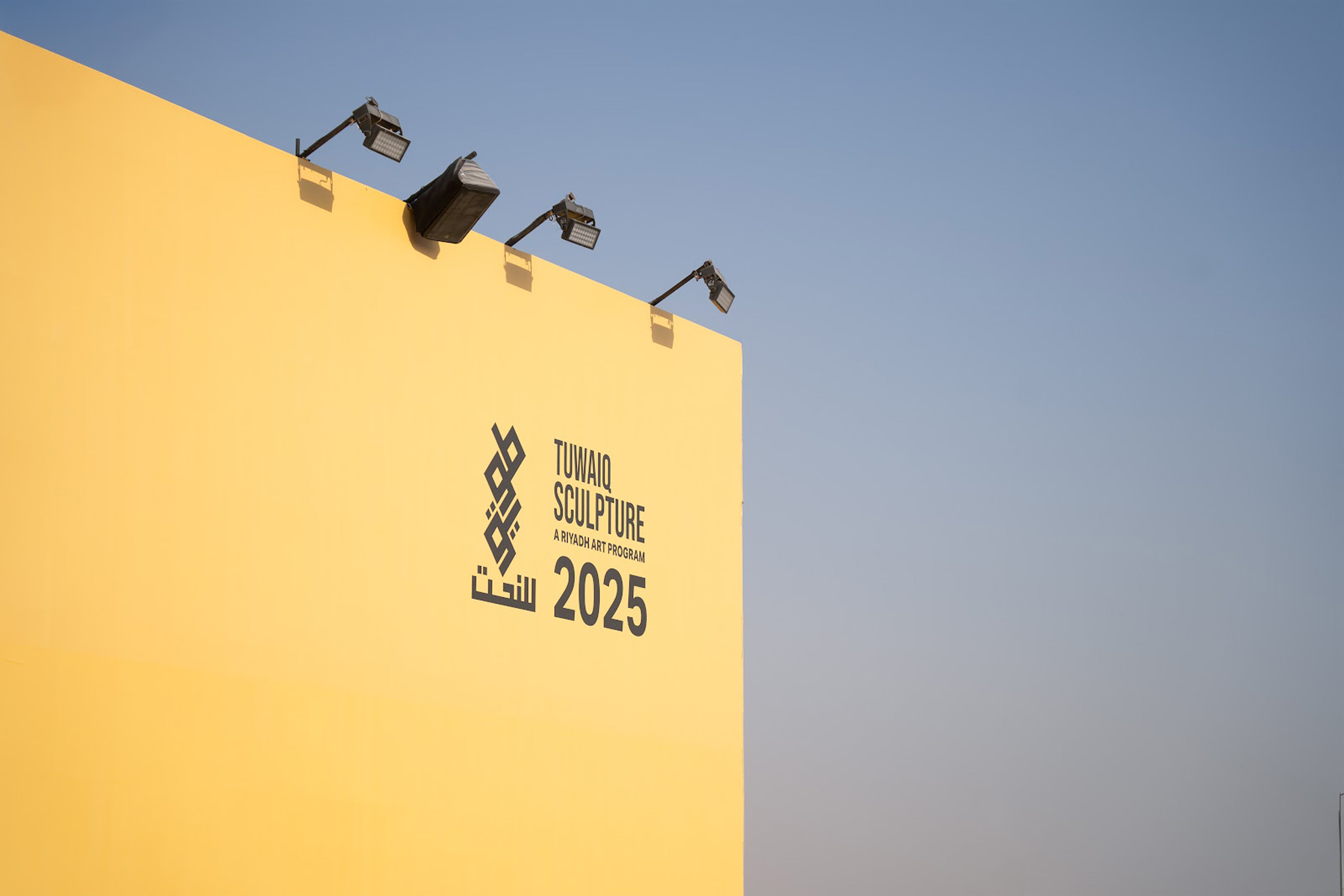

Participation spanned twenty-three countries; Saudi artists played leading roles, exploring both tradition and innovation.
The 2025 edition significantly built upon the success of previous years, broadening both international and local public.
The community program extended into evenings, activating the site with lighting installations, soundscapes, and communal dining.
A new feature was the creation of a dedicated Tuwaiq Gallery, designed as a space of immersion and interpretation within the symposium grounds.